Dry Eyes: Effective Management and Relief Tips

Introduction To Dry Eyes

Imagine a landscape parched by the unforgiving sun, much like the millions experiencing the discomfort of dry eyes.

The prevalence of dry eyes underscores the importance of recognising its symptoms and understanding its root causes. This condition, albeit common, can significantly impact one’s quality of life.

What Are Dry Eyes?

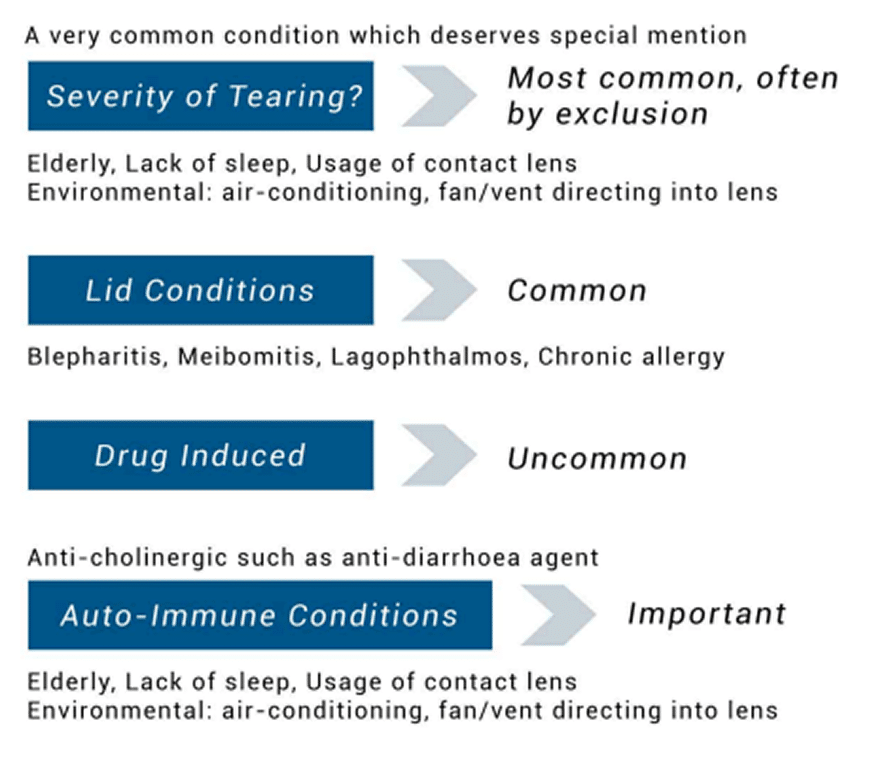
Dry eyes occur when the eyes do not produce enough tears or if the tears evaporate too quickly.

This seemingly straightforward condition is a surprisingly complex challenge with diverse underlying causes, including environmental factors, lifestyle choices, and certain medical conditions like meibomian gland dysfunction. These factors disrupt the equilibrium needed for maintaining healthy lubrication and clear vision. It’s a testament to how intricate our bodies are, with even minor imbalances potentially leading to discomfort.

A persistent sense of irritation, burning, or grittiness in the eyes might signal dry eyes. The protective tear layer suffers when eyelids cannot distribute tears effectively, compromising its effectiveness in shielding the eyes from irritants, and reducing clarity

It is critical to acknowledge and address this condition as neglecting it could have broader repercussions on one’s ocular health, potentially paving the way for more severe conditions. Fortunately, modern advancements offer a myriad of strategies to mitigate these effects, from lifestyle adjustments to cutting-edge treatments such as punctal occlusion, empowering individuals to take control of their eye health with confidence and optimism.

Identifying Symptoms of Dry Eyes

Initially, mild irritation can go unnoticed.

However, certain signs can provide clear insight. The most common symptom of dry eyes manifests as a persistent sensation of dryness and itchiness, often accompanied by excessive tearing or watery eyes. Ironically, tearing is the body’s reflex to counteract dryness, proving that our physiology remains astonishingly adaptive.

Redness is another hallmark that cannot be overlooked.

Vision fluctuations, including blurred vision, are also significant markers – as the tear film fails to coat the eye evenly – and the ensuing periodic blurriness can hinder day-to-day activities, underscoring the importance of vigilant observation.

Understanding these symptoms not only allows for more targeted intervention but also fosters a proactive approach towards comprehensive eye health care. As we progress through 2023 with a wealth of resources and treatments at our disposal, early detection has never been more accessible. This empowering knowledge serves as a lighthouse guiding you to navigate the seas of eye health with assurance.

How Dry Eyes Affect Vision

Dry eyes can significantly impact one’s quality of life, causing irritation, a constant gritty sensation and potentially leading to more serious complications that can affect vision.

Eyes require a sufficient tear film, often supplemented by artificial tears, to maintain clear and comfortable vision; without it, stability and focus decline.

Blurriness, fluctuating sharpness, glare, and photophobia (increased light sensitivity) are common symptoms.

These vision disruptions might cause difficulties in performing tasks such as driving, reading, or using digital devices, highlighting the importance of proper eye hydration

The lack of adequate moisture can exacerbate any underlying refractive errors, presenting a host of challenges for those relying on clear vision for daily activities.

Indeed, the journey to optimal vision isn’t a distant dream. With proactive management and expert guidance, dry eye sufferers can reclaim their clarity and confidence.

Environmental Triggers of Dry Eyes

Environmental elements play a crucial role, influencing the onset and severity of dry eyes and offering avenues for strategic management.

The weather, for instance, significantly contributes as a prevalent factor impacting eye health, with arid climates, wind, and sunny conditions often exacerbating dryness and discomfort. These conditions can strip away the moisture needed for maintaining a stable tear film, prompting individuals to experience increased irritation, leading to an imperative need for protective measures like using eye drops, and proactive approaches in managing eye comfort.

Indoors, dry eyes can arise as a consequence of artificial environmental factors. In heated or air-conditioned spaces, the reduced humidity levels can cause the tears to evaporate more rapidly, challenging the natural lubrication and protection mechanisms of the eyes.

Generously, with greater understanding and identification of these environmental triggers, individuals may adopt comprehensive strategies. This includes maintaining adequate indoor humidity levels, using protective eyewear outdoors, and employing lubricant eye drops. Through these initiatives, one can uphold their eye health, demonstrating that careful attention to our surroundings enables us to cultivate and enjoy an enriched visual experience.

Lifestyle Factors Contributing to Dry Eyes

Several lifestyle factors significantly contribute to dry eyes.

A pivotal aspect is the extended use of digital devices. The blue-light emissions from screens can diminish the natural blink reflex, causing eyelids to close less frequently and reducing the spread of tears across the eye surface. Over time, this behavioural pattern inadvertently fosters conditions conducive to dry eyes, including meibomian gland dysfunction, exacerbating burning discomfort and potentially affecting one’s quality of life.

Similarly, dietary choices can also influence tear production.

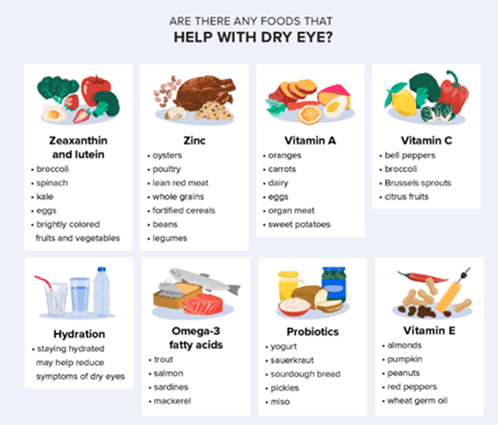
A diet lacking in essential fatty acids – crucial for tear film stability – may accelerate the evaporation of tears. By incorporating omega-3-rich foods like fish, nuts, and seeds, individuals can support more resilient and well-balanced tear production.

Ultimately, enhancing awareness and integrating positive modifications in daily habits, such as the regular use of eye drops and artificial tears, can significantly mitigate the impact of dry eyes, empowering individuals to better manage and prevent discomfort. With these insights, individuals can anticipate healthier eye conditions and indulge in visual activities with renewed comfort and clarity, invigorating their lives with vibrant vision.

Medical Conditions Linked to Dry Eyes

Autoimmune disorders, particularly conditions like Sjögren’s syndrome, significantly impact tear production, compounding one’s susceptibility to dry eyes.

In addition to this, rheumatoid arthritis and lupus create an inflammatory environment (systemic) that impairs tear gland function, thus further weakening eye lubrication and providing a fertile ground for chronic dry eye sensations.

The terms “systemic” and “autoimmune” are integral in understanding the ‘intricate connections’.

1. Autoimmune Disorders and Dry Eyes

Autoimmune disorders, such as Sjögren’s syndrome, profoundly alter the body’s tear production, exacerbating the experience of dry eyes.

Approximately 1 in 10 individuals with rheumatoid arthritis may develop secondary Sjögren’s syndrome, amplifying dry eye symptoms.

These conditions trigger systemic inflammation, affecting the delicate balance of tear gland operations and diminishing the quality and quantity of tear film, often leading to blurred vision and discomfort.

Consequently, timely diagnosis and tailored interventions, including methods like punctal occlusion—embracing a holistic approach to eye care—can dramatically improve life quality by alleviating the progression of dry eyes.

2. Hormonal Changes and Their Impact

Hormonal fluctuations, particularly during significant life stages, have profound effects on tear production, often leading to dry eyes.

  • Menopause: The decline in oestrogen levels can disrupt tear production, potentially causing discomfort for those who wear contact lenses.
  • Pregnancy: Hormonal shifts may temporarily alter the eye’s moisture balance.
  • Menstruation: Monthly hormonal changes might contribute to episodic dry eye symptoms.
  • Andropause: Testosterone decrease in men can influence tear secretion dynamics.

Proactive management of these natural changes empowers individuals to maintain ocular health and comfort.

Understanding these hormonal influences is critical for developing effective strategies to combat dry eye symptoms.

The Role of Diet in Managing Dry Eyes

A thoughtfully curated diet can significantly influence the body’s natural eye lubrication mechanisms, offering a beacon of hope to those grappling with dry eyes.

Empowering the eyes begins with nourishing them from within.

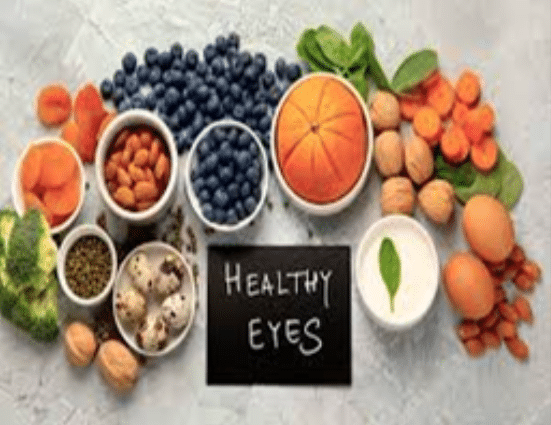
Essential fatty acids, particularly omega-3s and omega-6s, are pivotal in reducing eye inflammation and fostering a balance of healthy tears. These can be found generously in foods like flaxseeds, walnuts, and oily fish such as salmon, providing a natural avenue to eye comfort.

Furthermore, a diet rich in antioxidants can shield the eyes from oxidative stress, which is known to exacerbate dryness. Incorporating vibrant fruits and vegetables like spinach, carrots, and blueberries is not only delightful but also vital in fortifying tear-producing glands.

In essence, thoughtful, nourishing food choices are a potent, preventive measure, underscored in the journey towards alleviating the discomfort of dry eyes.

Ageing and its Effects on Tear Production

Ageing, while a natural life process, brings about transformations that can impact various systems, including our eyes.

As the years progress, the body’s remarkable ability to maintain optimal functions, including tear production and the health of the eyelids, can weaken. This decline may lead to inadequate tear production, one of the intrinsic factors contributing to the prevalence of dry eyes among older adults. Thus, maintaining eye health becomes crucial in the golden years, requiring awareness and proactive care.

Remarkably, this evolution results in a diminished efficiency of tear glands. As production levels decrease, the eye’s essential moisture diminishes, potentially increasing the risk of developing uncomfortable burning symptoms associated with dry eyes.

Fortunately, by adopting comprehensive strategies that incorporate a healthy diet and regular eye check-ups, individuals can proactively preserve their eye health. These preventive measures, along with a positive lifestyle, serve as empowering tools, minimising age-related impacts on tear production and fostering a future of vibrant, clear-eyed optimism.

Screen Time and Digital Eye Strain

Digital devices dominate our daily lives

The digital age brings with it many conveniences. Yet, the onslaught of screen time has seen the rapid emergence of dry eyes symptoms among digital device users. Intriguingly, studies of digital eye strain reveal their significant influence on tear evaporation, driving a noticeable increase in dry eye complaints.

Screen exposure exacerbates the evaporation of tears.

The relentless focus on screens—be it for work, leisure, or communication—demands frequent visual adjustments and reduced blinking, leading to increased tear film instability. This condition, cleverly termed ‘computer vision syndrome’, resonates with millions globally, forging a distinct connection between screen time and dry eyes.

There is a bright side to this digital transformation, as it presents an opportunity for innovation in eye care solutions, many of which leverage advanced technology. As of 2023, groundbreaking innovations underscore the importance of balancing digital engagement with eye health, promising not only relief but also an inspired, clear-sighted future.

Understanding Tear Film Composition

The tear film is a remarkable structure.

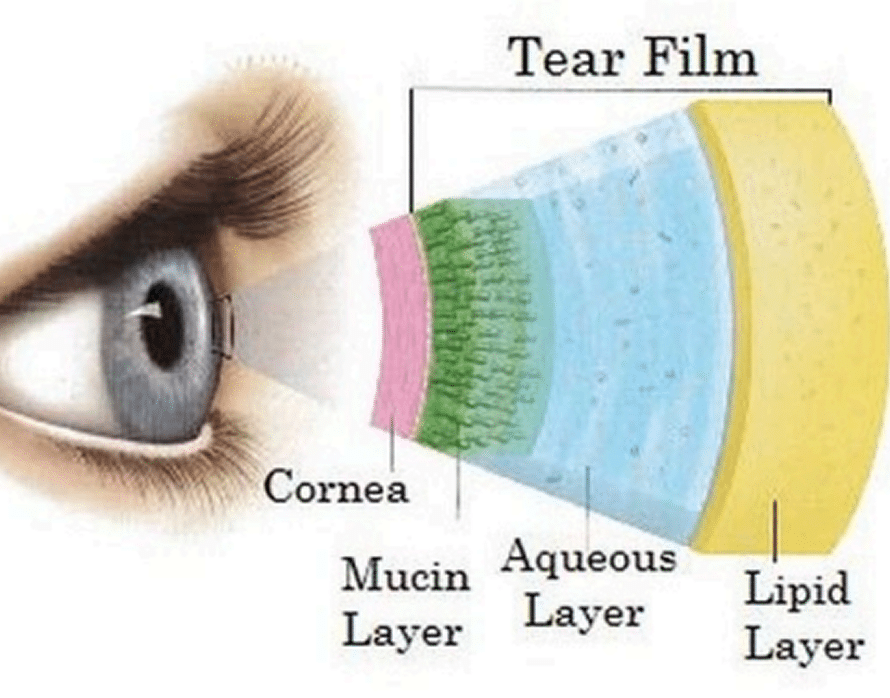
This delicate yet essential layer consists of three distinct components: the lipid, aqueous, and mucin layers. Each layer plays a vital role in maintaining the eye’s surface health, protecting it from environmental adversities, and ensuring a smooth, uninterrupted vision. Collectively, these layers exemplify the intricacies of natural eye defences.

The lipid layer prevents rapid evaporation.

It is crucial because it primarily works to inhibit tear evaporation and maintain a smooth optical surface. Both the aqueous and mucin layers of the tear film contribute by providing essential nutrients and enabling uniform tear distribution.

Understanding the detailed composition of the tear film allows researchers and clinicians to devise more targeted treatments for dry eyes. Such insights are pivotal to addressing the underlying causes of dry eyes, rather than merely alleviating symptoms. Emerging innovations prioritise tear film stabilisation, offering hope and a promising path forward in the quest to mitigate dry eye conditions effectively.

Diagnosing Dry Eyes: Tests and Procedures

When symptoms such as blurred vision persist, understanding the precise condition of your eyes becomes the key to effective relief.

In a comprehensive eye examination administered by a qualified ophthalmologist or optometrist, the initial step involves a detailed evaluation of your medical history, associating lifestyle habits, medications, and symptoms with potential causes of your dry eye condition. Following this, various tests may be recommended to assess the volume and quality of your tear production, to identify any underlying tears or deficiencies.

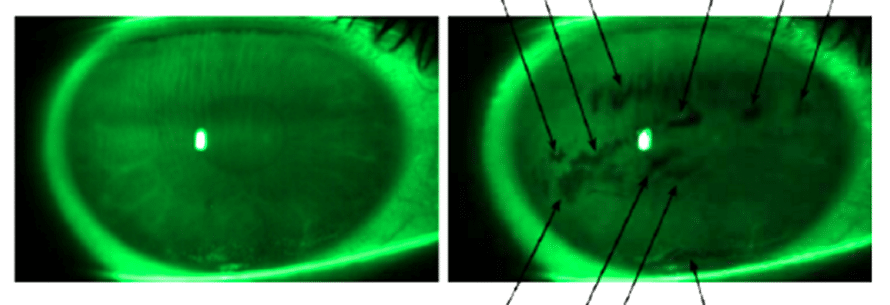
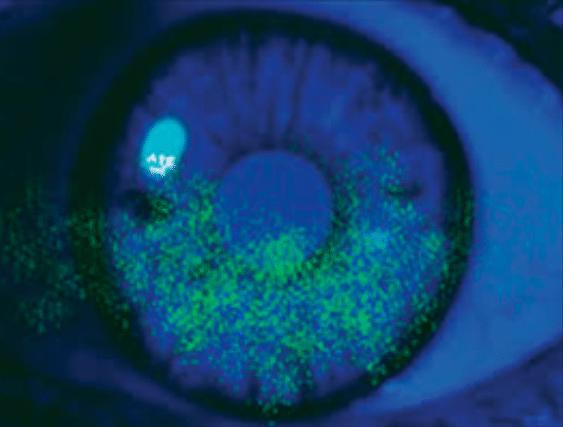
Specifically, practitioners might employ a tear break-up time test to evaluate how quickly your tears evaporate. This involves placing a drop of dye in your eyes to enhance observation of tear film stability under a slit lamp, helping diagnose disruptions in the consistent delivery of tears across the eye’s surface.

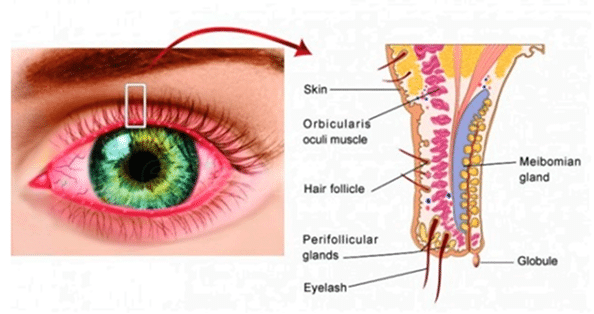
Further, advanced diagnostic tools like meibography may be utilised to visualise and assess the health of the meibomian glands, identifying cases of meibomian gland dysfunction, which are responsible for secreting oils into your tear film. These comprehensive procedures, combined with state-of-the-art methodologies, facilitate an accurate understanding of dry eye syndrome, enabling personalised treatment plans to rejuvenate and restore optimal eye health.

Preventative Measures for Dry Eyes

Understanding the common causes of dry eyes and the role of artificial tears, eye drops, contact lenses, and other aids, consider how preventative steps can help maintain your eye health and comfort.

First and foremost, in taking preventative measures, a balanced lifestyle promoting optimal hydration, coupled with protection from environmental factors, can significantly enhance eye comfort and mitigate symptoms of dry eyes. Ensuring adequate hydration by drinking sufficient water is a simple yet effective strategy, alongside shielding your eyes from harsh winds or dry air conditions, commonly found in air-conditioned spaces, by using protective eyewear.

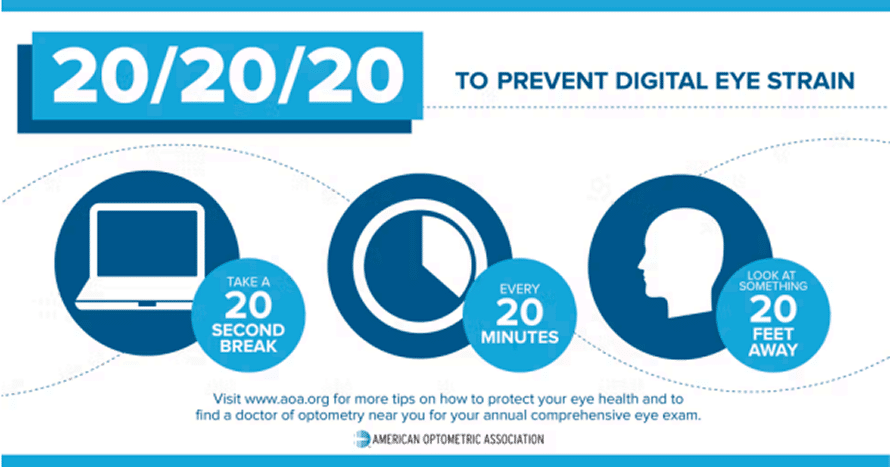
Additionally, taking regular breaks from screen time can dramatically benefit your eye health. Implementing the 20-20-20 rule—every 20 minutes, look at something 20 feet away for 20 seconds—can reduce eye strain and promote overall ocular well-being, fostering a more nourishing tear film environment.
Finally, embracing dietary habits rich in omega-3 fatty acids, known for their anti-inflammatory properties, and vitamins A and E, bolsters eye health, offering resilience against dryness. Consulting a healthcare professional for advice tailored to your nutritional needs can be a pioneering step in your journey toward safeguarding against dry eyes, empowering you to achieve and maintain optimal visual comfort with confidence.

Note icon
The symptoms and possible related eye conditions/diseases in this section are for general reference only, and do not contain all visual symptoms or all possible related conditions or diseases. If you have any unusual vision symptoms, speak with your ophthalmologist.

At Hesed Eye Specialists, we are dedicated to not just restoring, but truly enhancing your vision.

Trust in our expertise and commitment to excellence as we accompany you on your journey towards clearer, brighter, and healthier eyes. Experience the profound difference that an eye clinic with unparalleled technology and compassion can make in your life and vision. 

Book An Appointment
Make An Appointment

Free Shuttle Services

There are free shuttle services available on Monday to Friday from 8.30am to 5.10pm and Saturday from 8.30am to 1pm.*

* These services are not available on Sundays and public holidays. Please note that pick-up and drop-off are at the designated stops only and the schedule is subject to change due to traffic conditions and other factors without prior notice.

Mondays to Fridays (Excluding Public Holidays):

Gleneagles Hospital - Mount Elizabeth Hospital - The Heeren

Gleneagles Hospital
Mount Elizabeth Hospital
The Heeren
8.30 am
8.30 am
8.30 am
8.30 am
8.30 am
8.30 am
8.32 am
8.32 am
8.32 am
8.30 am
8.32 am
8.32 am

Saturdays (Excluding Public Holidays):

Gleneagles Hospital - Mount Elizabeth Hospital - The Heeren - Mount Elizabeth Novena

Gleneagles Hospital
Mount Elizabeth Hospital
The Heeren
Mount Elizabeth Novena Hospital
8.30 am
8.30 am
8.30 am
8.32 am
8.30 am
8.30 am
8.30 am
8.30 am
8.32 am
8.32 am
8.32 am
8.32 am
8.32 am
8.32 am
8.32 am
8.30 am

For faster response, please Whatsapp us