A Fundamental Guide on Cataract and its Treatment Process

Introduction To Cataracts

Patients who see us are often concerned about their cataracts. This is entirely understandable but we like to share a different perspective with them: which is that although cataracts are a problem, “they can actually be a good problem” because cataract surgery offers the potential to correct all their refractive error: their Presbyopia (“lao hua”), Astigmatism, Myopia (short-sightedness) and Hyperopia (long-sightedness).

Also, in most instances, a diagnosis of cataract does not require immediate surgery so there is always time to find out more and explore before deciding on the next step. We have shared some information here to help understand more about cataracts and their treatment and hope you find it useful.

Cataracts are a common and treatable cause of vision impairment. According to the World Health Organization, cataracts are responsible for 51% of the world’s blindness, affecting millions globally.

In Singapore, cataract affects around 80% of people aged 60 and above in Singapore and is the most common cause of blindness in the world. Here are more facts related to cataracts:

Cataracts are very common and will affect most people at some point in their lives. By age 80, most people would either have cataracts or have had their cataract surgery done.

Cataract surgery is the most common operation performed in Singapore.

Cataract surgery can potentially correct your “degree” and provide relatively spectacle free vision in a selected group of patients.

With advancements in medical technology, those affected can look forward to restored vision and an enhanced quality of life. Prompt diagnosis and treatment are key to maintaining eye health and independence.

Below are some frequently asked questions to provide clarity and guidance on this common condition. So by understanding what cataract is; their symptoms, and available treatments is essential for maintaining eye health and quality of life.

What Is A Cataract?

A cataract is a clouding of the lens within the eye, which leads to a decrease in vision. This condition gradually develops over time, often affecting individuals as they age. The normally clear lens becomes opaque, causing images to appear blurred or dim. It is important to note that cataracts can affect one or both eyes but do not spread from one eye to the other.

Symptoms of a Cataract

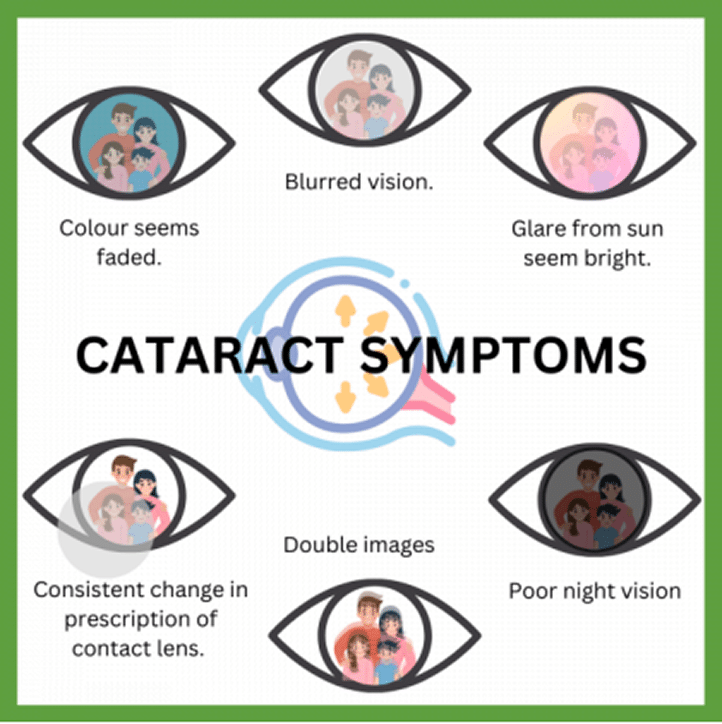
The symptoms of a cataract can develop slowly and might not be immediately noticeable. Some individuals may dismiss early signs as mere changes in their vision due to ageing. However, recognising these symptoms early on can lead to timely intervention and treatment. Common symptoms include:

  1. Blurred Vision: Vision becomes cloudy or blurry.
  2. Night Vision: Difficulty seeing in low light or at night.
  3. Sensitivity to Light: Increased discomfort from bright lights.
  4. Persistent Glare: Experiencing glare from headlights or sunlight
  5. Faded Colours: Colours appear less vibrant or more yellowed.
  6. Double Vision: Perceptive instances of double vision in one eye.
  7. Frequent Prescription Changes: Needing constant updates to eyeglass prescription.

Who is most at risk for cataracts?

Cataracts primarily affect older adults, though younger individuals can also be at risk due to factors such as diabetes, prolonged ultraviolet exposure, and certain medications.

Recognizing symptoms early, such as blurred vision, halos, and increased glare sensitivity, is crucial for timely intervention. State-of-the-art surgical treatments have made cataract removal both safe and effective, offering renewed clarity and independence to those affected.

Diagnosing Cataracts

Early diagnosis of cataracts can be efficiently executed through a comprehensive eye examination conducted by an ophthalmologist. The examination typically includes:

Visual acuity test: Measures the sharpness of vision using an eye chart.

Slit-lamp examination: Allows the doctor to see the structures at the front of the eye under magnification.

Retinal exam: Enables the doctor to examine the back of the eye (retina)

Treatment Options

While no medication can reverse cataract formation, several effective treatment options exist. Here are the primary treatments for cataracts:

Non-surgical Management

In the early stages, visual aids such as stronger glasses, magnifying lenses, and appropriate lighting can help manage the symptoms. These measures, however, serve as a temporary solution and do not halt the progression of cataracts.

Surgeries

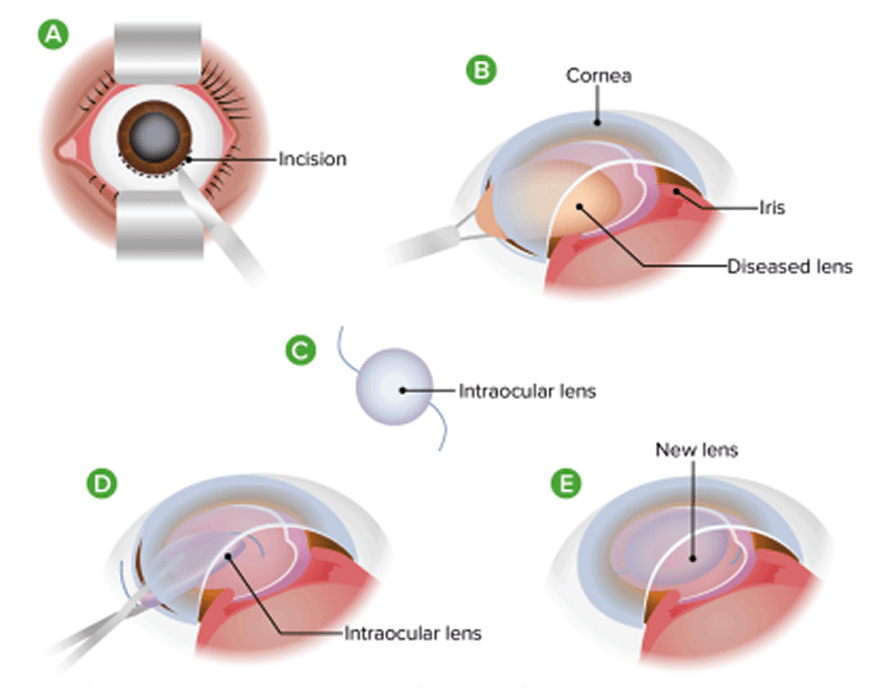
The most effective treatment is cataract removal through surgery, which involves replacing the cloudy lens with an artificial intraocular lens (IOL).

During cataract surgery, the cloudy lens is replaced with a clear, artificial intraocular lens (IOL). This procedure is typically quick, painless, and performed on an outpatient basis.

Cataracts are treated primarily through surgical intervention, here are the types as follows;

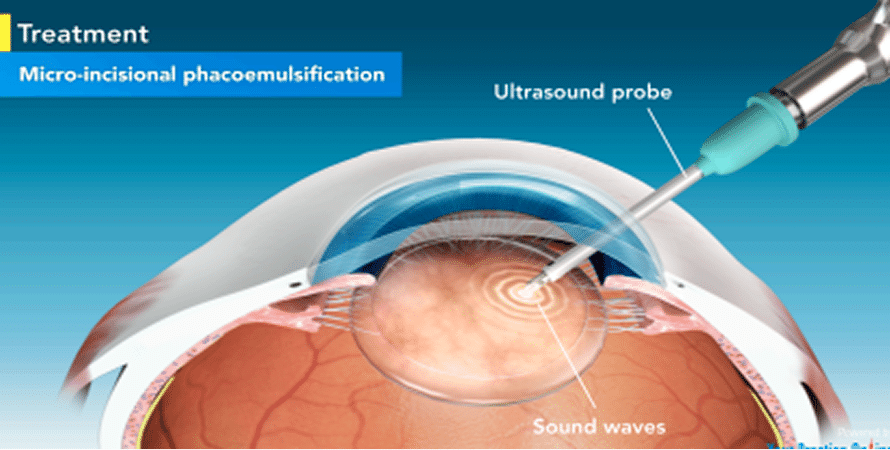
1. Phacoemulsification:

The most common technique, involving a small incision through which an ultrasound probe breaks up the cloudy lens. The fragments are then suctioned out.

2. Extracapsular Cataract Extraction (ECCE)

Used for advanced cataracts, this method involves a larger incision to remove the cloudy lens in one piece.

3. Femtosecond Laser-Assisted Cataract Surgery (FLACS)

Utilizes laser technology to make precise incisions and soften the cataract. This technology is used as an add on to Phacoemulsification and performed before Phacoemulsification to aid in creating the entry wound for surgery and the opening called the capsulorhexis for accessing the cataract before phacoemulsifcation.

State-of-the-Art Suite of Cataract Surgery Technology

At Hesed Eye, we have the expertise and experience with all the latest technologies and advancements in cataract surgery to deliver the best possible vision for our patients. The following are some of the technology we use:

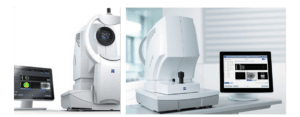
1. ZEISS IOL MASTER 700 

1. Applying the latest version of imaging technology called swept-source optical coherence tomography

a. Patented Cornea-to-Retina Scan: so unusual eye geometries such as tilt or decentering of the cataract can be detected

b. Unique Fixation Check: this feature minimises risk of inaccuracies because patients find it difficult focusing on the target during imaging

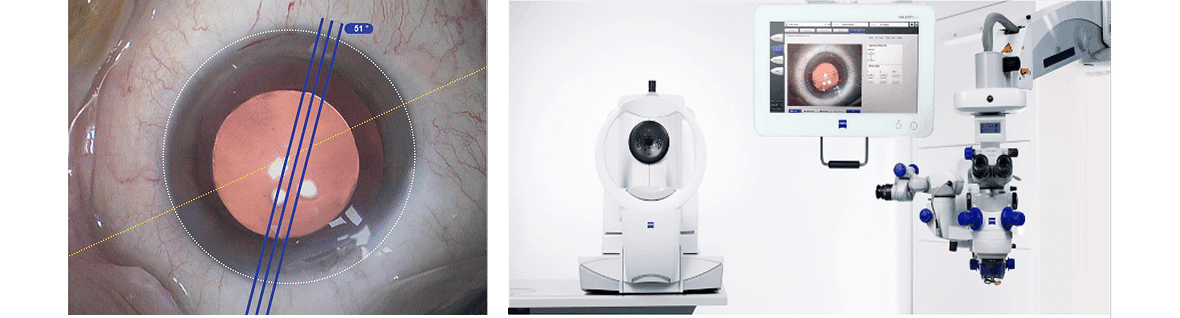
c. Integrates with Zeiss Cataract Suite: measurements taken for cataract surgery can be exported to the operating microscope providing reference image for intraoperative matching with live eye image during cataract surgery

d. Central Topography with more insights: the IOLMaster® 700 from ZEISS measures Central Topography. It allows easy reading of central corneal shape information to increase precision in cataract surgery.

e. The Total Keratometry (TK) of ZEISS IOLMaster 700 allows us to directly measure the posterior corneal surface using SWEPT Source OCT. In a study the exclusive Barrett True K with TK formula improved the outcome prediction compared to the Barrett True K with Classic Ks within ±0.5 D by >12 % (p = 0.04) in post-myopic LASIK eyes.

2. The Zeiss IOL Master is the 700 allows for very precise calculations needed for determining: the right intraocular lens implant to use in your cataract surgery

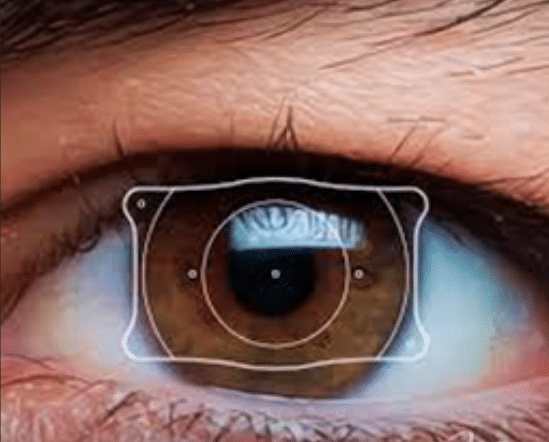
3. Precise and efficient markerless intraocular lens alignment during cataract surgery

2. ZEISS CALLISTO EYE: Computer assisted cataract surgery

With this system, manual marking for precise Toric Intraocular Lens alignment is replaced by the Zeiss CALLISTO computer assisted alignment which allows for assistance functions projected directly into the surgeon’s microscopic view2. At Hesed Eye we have invested in the IOL MASTER 700 which integrates seamlessly with the CALLISTO system in the operating theatre for surgery.

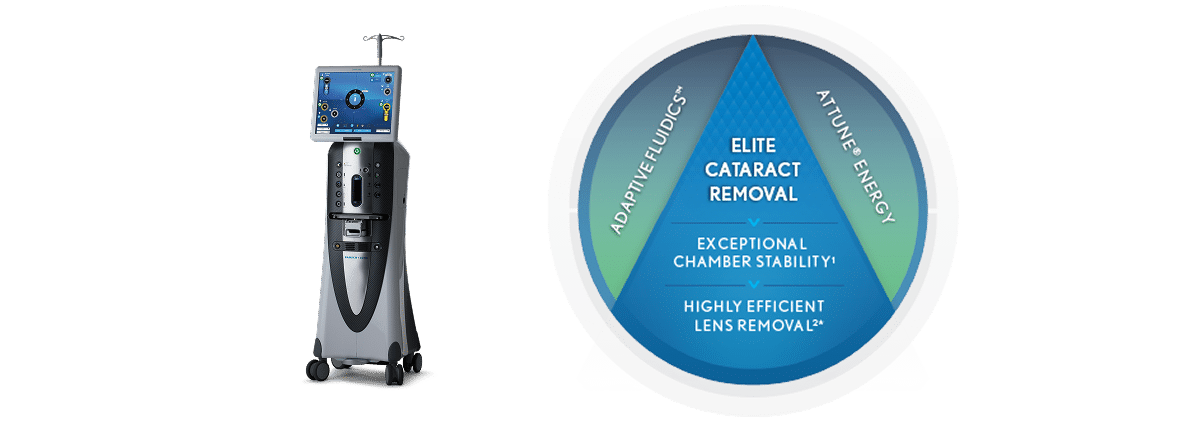
3. Bausch and Lomb Stellaris Elite: Innovation in Precision Cataract Surgery 

At Hesed Eye Specialists, we are proud to incorporate the Bausch and Lomb Stellaris Elite Vision Enhancement System into our comprehensive cataract care. This integration represents our unwavering dedication to adopting pioneering technologies that advance patient outcomes and elevate surgical precision to its pinnacle.

Unparalleled Surgical Precision 

The Stellaris Elite system offers an array of features designed to optimise the precision of every surgical procedure. Its sophisticated platform provides unparalleled control and accuracy during cataract removal, facilitating seamless transitions between the different stages of surgery. This ensures that each step is executed with meticulous precision, significantly reducing the risk of complications and enhancing overall surgical outcomes.

Enhanced Visualisation and Control 

A cornerstone of the Stellaris Elite is its advanced visualisation capabilities. The system provides high-definition imaging that enables our surgeons to gain an unobstructed view of the surgical field. With this exceptional clarity and real-time feedback, we enhance the safety and accuracy in the placement of intraocular lenses, adapting swiftly to the eye’s dynamic anatomical variations.

Optimised Energy Delivery 

The Stellaris Elite system excels with its efficient energy delivery, designed to minimise stress on delicate ocular tissues. By delivering precisely calibrated ultrasonic power, the system facilitates the emulsification and removal of cataracts with minimal thermal effect, preserving the integrity of surrounding structures. This translates into quicker recovery times and improved postoperative outcomes, allowing patients to regain clear vision more rapidly.

Patient Safety and Comfort

Prioritising patient experience, the Stellaris Elite comes equipped with intuitive control systems that support minimally invasive surgical techniques. These features enhance patient safety and comfort, ensuring a smoother procedure and contributing to a seamless recovery process. Our commitment to leveraging such innovative technology underpins our mission to deliver high standards of care with compassion and excellence.


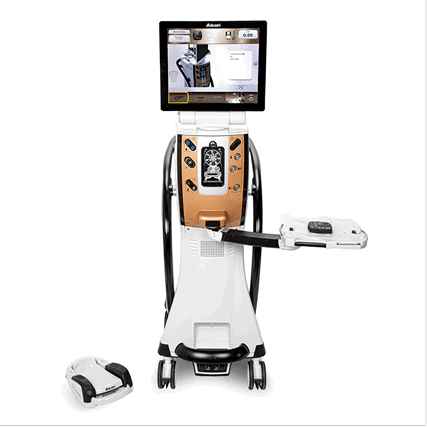
4. Alcon CENTURION® Vision System with ACTIVE SENTRY® 

Harnessing the power of the latest advancements in ophthalmic technology, the Alcon CENTURION® Vision System with ACTIVE SENTRY® offers unparalleled precision and safety for cataract surgeries. This sophisticated system elevates the surgical experience, setting a benchmark for efficiency and patient outcomes.

Enhanced Fluidics Control 

The CENTURION® Vision System is renowned for its advanced fluidics management, which delivers consistent intraocular pressure. This precise regulation is vital for maintaining the stability of the anterior chamber during surgery, reducing the risk of corneal trauma, and enhancing the overall safety of the procedure.

Adaptive Response Technologies 

The ACTIVE SENTRY® handpiece, a revolutionary innovation, utilises real-time feedback to dynamically adjust to intraoperative conditions. This responsiveness allows for more controlled and targeted removal of the cataract, minimizing stress on the eye and refining the surgical process to mitigate post-operative complications.

Optimised Energy Efficiency 

Through the judicious use of ultrasound energy, the CENTURION® system minimizes the energy required to emulsify the cataract. This results in reduced heat generation and greater preservation of corneal tissue, fostering quicker recovery and superior visual outcomes for patients.

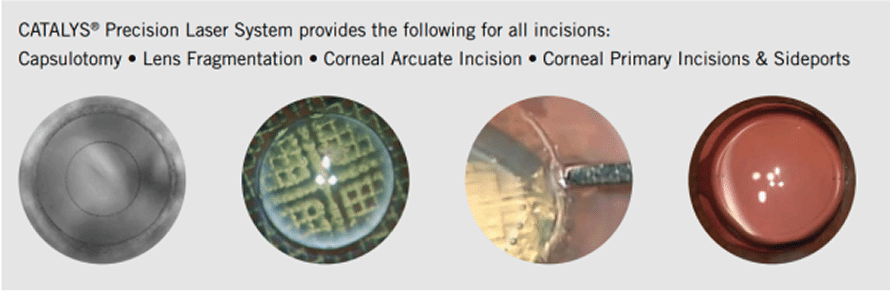
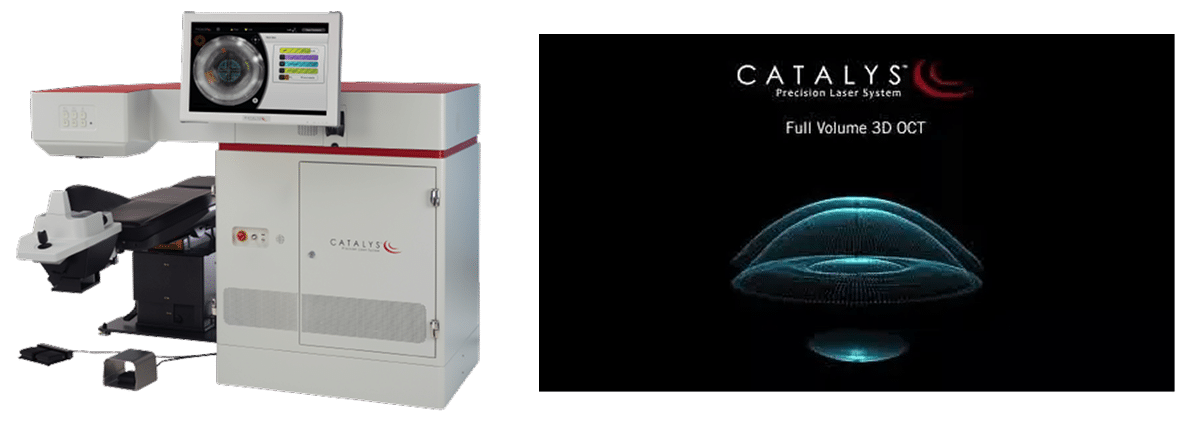
5. Johnson & Johnson CATALYS® Precision Laser System

Advancing surgical precision with the Johnson & Johnson CATALYS® Precision Laser System highlights our dedication to pioneering solutions in the realm of cataract surgery. At Hesed Eye Specialists, this cutting-edge technology underscores our commitment to exceptional patient care and eye health, catering to the individual needs and aspirations of each patient.

Automated Precision and Consistency

The hallmark of the CATALYS® system lies in its ability to automate key steps in cataract surgery with extraordinary accuracy, reducing the dependence on manual skill variations. By employing a sophisticated femtosecond laser, it ensures uniformity in outcomes, significantly enhancing safety and precision. This automation translates to consistent, error-minimising results, empowering our surgeons to deliver superior and predictable visual improvements in every procedure.

Customised Lenticular Incisions

Recognising the uniqueness of every eye, the CATALYS® system is adept at personalising the treatment for each patient. Its advanced imaging technology constructs a precise, real-time three-dimensional map of the eye, guiding laser-precision cuts tailored to the patient’s specific anatomical specifications. This capability allows our team to optimise incision architecture for maximised lens fragmentation and accurate intraocular lens placement, directly resulting in enhanced postoperative recovery and visual satisfaction.

Patient Comfort and Reduced Recovery Time

The streamlined precision of the CATALYS® Precision Laser System minimises tissue disruption, which consequently reduces recovery times and surgical discomfort. The non-invasive nature of laser applications means less inflammation, a lower incidence of surgical complications, and a more comfortable journey for our patients from consultation through to post-operative care. By incorporating the CATALYS® system into our practice, we aim to deliver an experience that is as comforting as it is effective, ensuring that our commitment to compassionate care is visibly embodied in every interaction and procedure.

Advanced Premium Intraocular Lens Implants

Cataract surgery is a two-part procedure. The first is the removal of the cataract and the second is the implantation of an Intraocular lens implant.

Intraocular lens (IOL) implants have revolutionised vision correction, providing an exhilarating array of possibilities for individuals seeking enhanced sight. The diversity and sophistication of IOL options today speak to the immense progress in ophthalmic technology, offering optimism and clarity for those undergoing cataract surgery or lens replacement procedures.

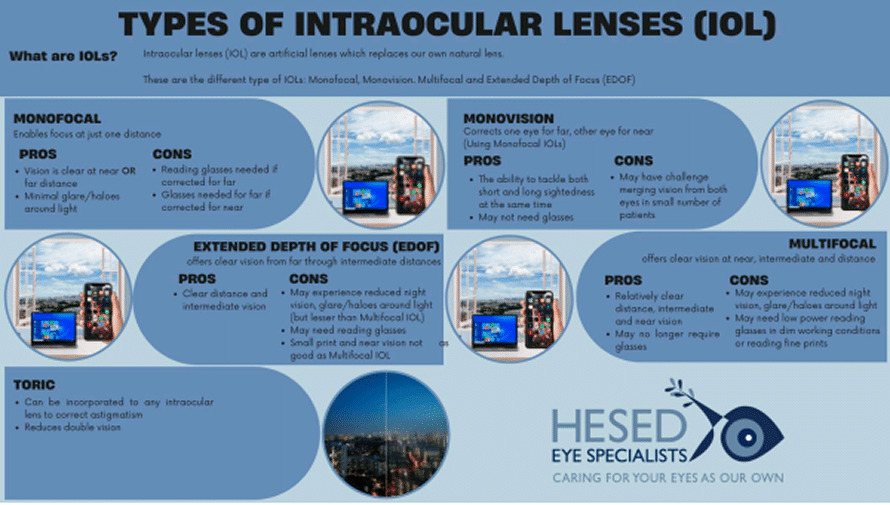
At Hesed Eye Specialists, we offer the full range of intraocular lens implants (IOLs) to deliver customised visual outcomes for our patients’ unique visual needs that match their lifestyle and work requirements. The following is an overview of the broad classification of IOLs that our patients’ can consider for their cataract surgery.

1. Monofocal Intraocular Lenses

Monofocal IOLs are the most traditional and widely used lenses, designed to provide excellent vision at one specific distance—be it near, intermediate, or far. It’s simplicity and efficacy make it a steadfast choice for many, allowing patients to experience clearer vision by prioritising one focal point. While they do require glasses for tasks at other distances, their reliability in delivering strong, focused vision remain unsurpassed. This implant is a good choice for patients who do not mind reading glasses and more importantly demand the highest contrast vision possible.

2. Multifocal Intraocular Lenses

Multifocal IOLs empower individuals to enjoy a range of vision distances more seamlessly, often reducing reliance on glasses. These lenses contain different zones for different focal points, deftly accommodating near, intermediate, and distant visions in one powerful package. For those desiring a broader visual freedom, multifocal lenses are an impressive solution that inspires confidence in day-to-day activities. This IOL is suitable for patients who greatly value spectacle independence,do not mind some haloes and glare at night and slightly less contrast in their vision in exchange of being mostly spectacle free.

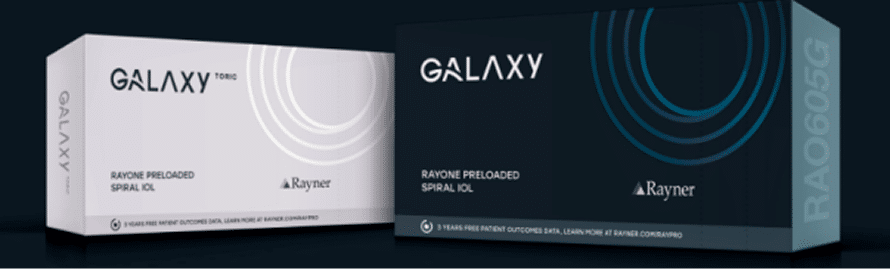
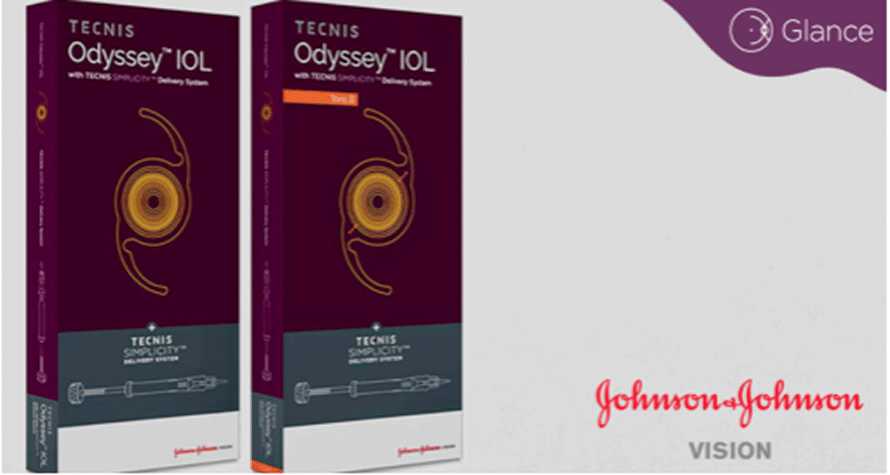
The World’s first AI-designed intraocular lens implant providing continuous range of vision with less haloes employing proprietary AI-designed spiral optics.

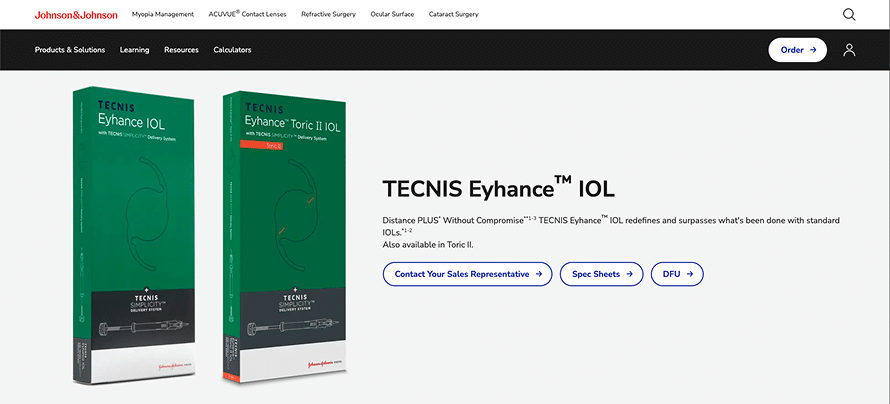
The latest Multifocal IOL from Johnson and Johnson. Freeform diffractive profile contributes to a low incidence of bothersome visual disturbances.

3. Toric Intraocular Lenses

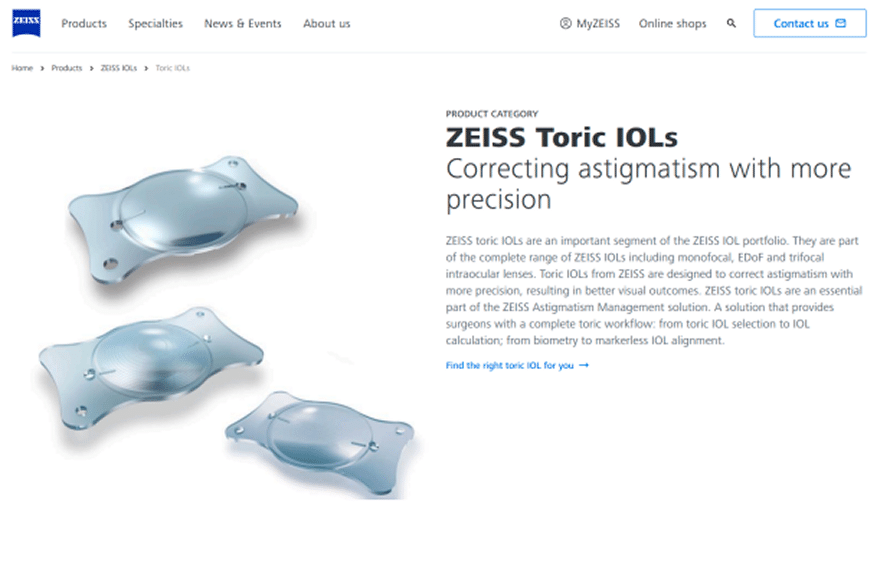
Specially crafted for individuals with astigmatism, toric IOLs boast an elegant design that corrects refractive errors by adjusting the light entering the eye. As a result, patients with astigmatism can experience enhanced clarity and crispness post-surgery.

4. Extended Depth of Focus Intraocular Lenses

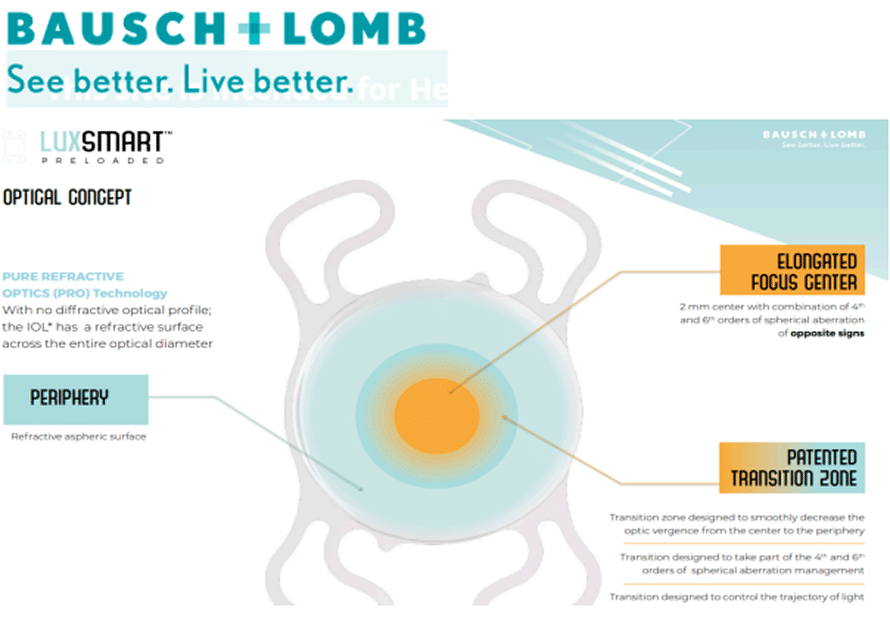
These lenses effectively elongate the range of focus, enabling smoother vision across a spectrum of distances, particularly in intermediate zones. Ideal for those seeking harmony in their visual focus, EDOF lenses bring sharpness and depth perception to the forefront, ideal

Is Cataract Surgery Safe?

Yes, cataract surgery is one of the safest surgeries available in modern medicine today with excellent outcomes. Here are some key points on cataract surgery:

  • High Success Rate: Cataract surgery boasts a success rate of over 99%, with most patients experiencing significant improvement in vision post-surgery.
  • Quick Recovery and little to no down time: Most patients can resume normal activities within a few days, with full recovery typically occurring within a few days and rarely over weeks.
  • Anaesthesia: cataract surgery can be performed under topical anaesthesia with sedation and does not require general anaesthesia usually except for unique patient considerations that may require this.
  • Day Surgery: cataract surgery is performed as a day surgery procedure so you do not need to stay in hospital and typically will spend half a day or less in hospital. Because it is a day surgery, cataract surgery is Medisave and Health Insurance claimable.
  • Minimal Complications: While all surgeries carry some risk, complications from cataract surgery are rare and usually minor, such as temporary discomfort or inflammation.The more serious but rare complications of cataract surgery are:
    • Posterior Capsular Rupture: which occurs in less than 1% of cases and is a highly manageable complication in experienced hands with good outcomes still if managed well.
    • Endophthalmitis: which is a serious infection that can cause blindness but occurs in less than 1 in 3000 cases or less than 0.01% of all cataract surgeries performed.

What to Expect After Cataract Treatment

1. Improved Vision
Most patients experience a significant improvement in vision within a few days.
Colors will appear brighter, and overall visual clarity is enhanced.

2. Quick Recovery
Initial recovery is typically rapid, with many resuming normal activities within a few days.
Full recovery usually occurs within a few weeks.

3. Temporary Discomfort
Mild discomfort, itching, or a gritty sensation in the eye is common but usually subsides within a few days.

4. Follow-Up Appointments
Will be scheduled: next day after operation, within a week, 3-4 weeks and at 3 months after.

5. Use of Eye Drops
The post-operative medication will be mainly eyedrops and will usually include 3 types of eyedrops: antibiotic, anti-inflammation and lubricating eyedrops.
There will usually not be any oral medication required.

6. Protective Measures
Wearing an eye shield or patch, especially while sleeping, helps protect the eye during the initial recovery phase for the first 3-4 nights.
During the day, you will not require any eye patch or eye shield.

7. Sunglasses
Usually not necessary as the implant has UV protection. However, some patients may find sunglasses useful as the sudden increase in light entering the eye from the removal of the cataracts may take some getting used to and the sunglasses can help ease this transition.

8. Activity Restrictions
Most normal activities such as walks or social gatherings are not an issue.
Avoid strenuous activities such as heavy lifting or very complex postures such as those in more advanced yoga or pilates for 2-3 weeks.
Avoid swimming and exposure to dusty or dirty environments for 2-3 weeks to reduce the risk of infection.

9. Gradual Vision Stabilization
Most patients will experience much better vision very early on, even the very next day after surgery.
However, vision may fluctuate during the first few weeks as the eye heals and adjusts, and some patients might notice visual disturbances such as halos.
Final visual outcomes with the implanted lens are typically assessed a few weeks post-surgery.

10. Dry eyes
In the initial 3-4 weeks after surgery the eye may feel more dry.
This is usually temporary and can be treated with eyedrops and eye ointment quite easily.
What to expect from Cataract Surgery with Hesed Eye Specialists

1. Initial Consultation

We make no assumptions at the initial consultation. We will listen to your visual complaints. We will do the necessary investigations to ensure that your visual complaints are due to cataracts and not something else.

We like to explain the presence and extent of our patient’s cataract through high-definition photographs so our patients have the confidence of their diagnosis.

Most importantly, in most cases, because cataracts are not something that needs to be addressed immediately, we give our patients time to research and find out more after the initial consultation.We always encourage out patients to do more research and schedule another consultation with us where we can address any queries or concerns after they have done more reading around the subject.

2. Pre-operative Consultation and Pre-operative Planning

At the preoperative consultation, our patients fill out a visual needs questionnaire so we can better understand their unique visual requirements and expectations.

We will perform a biometric scan using the Zeiss IOL Master 700, widely recognized as the gold-standard for cataract surgery biometric scanning. This biometric scan is critical as it makes detailed measurements of our patient’s eye to provide the data we need to calculate the correct power for the lens implant for their surgery

Note icon
The symptoms and possible related eye conditions/diseases in this section are for general reference only, and do not contain all visual symptoms or all possible related conditions or diseases. If you have any unusual vision symptoms, speak with your ophthalmologist.

At Hesed Eye Specialists, we are dedicated to not just restoring, but truly enhancing your vision.

Trust in our expertise and commitment to excellence as we accompany you on your journey towards clearer, brighter, and healthier eyes. Experience the profound difference that an eye clinic with unparalleled technology and compassion can make in your life and vision. 

Book An Appointment
Make An Appointment

Free Shuttle Services

There are free shuttle services available on Monday to Friday from 8.30am to 5.10pm and Saturday from 8.30am to 1pm.*

* These services are not available on Sundays and public holidays. Please note that pick-up and drop-off are at the designated stops only and the schedule is subject to change due to traffic conditions and other factors without prior notice.

Mondays to Fridays (Excluding Public Holidays):

Gleneagles Hospital - Mount Elizabeth Hospital - The Heeren

Gleneagles Hospital
Mount Elizabeth Hospital
The Heeren
8.30 am
8.30 am
8.30 am
8.30 am
8.30 am
8.30 am
8.32 am
8.32 am
8.32 am
8.30 am
8.32 am
8.32 am

Saturdays (Excluding Public Holidays):

Gleneagles Hospital - Mount Elizabeth Hospital - The Heeren - Mount Elizabeth Novena

Gleneagles Hospital
Mount Elizabeth Hospital
The Heeren
Mount Elizabeth Novena Hospital
8.30 am
8.30 am
8.30 am
8.32 am
8.30 am
8.30 am
8.30 am
8.30 am
8.32 am
8.32 am
8.32 am
8.32 am
8.32 am
8.32 am
8.32 am
8.30 am

For faster response, please Whatsapp us