Myopia in Children: Early Detection and Treatment

Introduction To Myopia

Early detection and treatment of myopia or nearsightedness are crucial. Studies indicate it can be found in early childhood and treatments can significantly improve quality of life.


What are Refractive errors and how does that affect myopia?

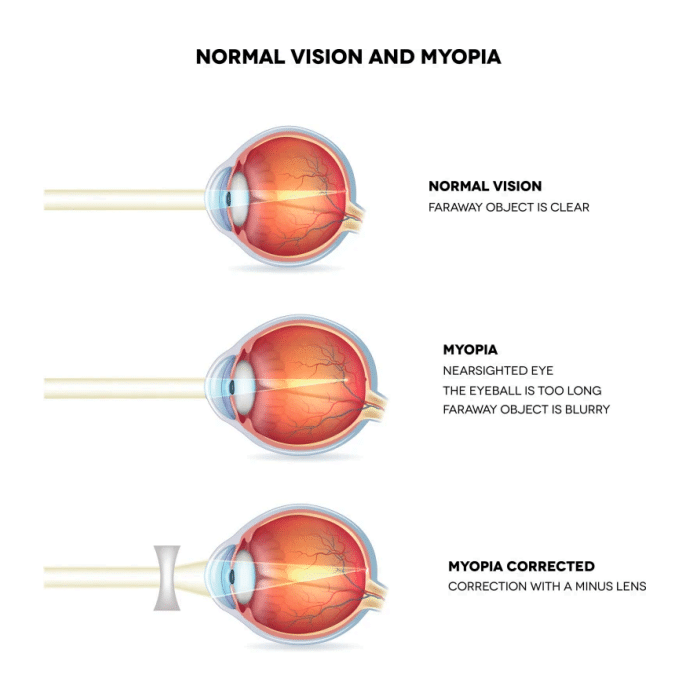
Refractive errors cause myopia, or short-sightedness (also known as nearsightedness), due to the improper focusing of light on the retina. In a normally functioning eye, light rays entering the eye are bent (refracted) by the cornea and lens to focus directly on the retina, the light-sensitive layer at the back of the eye. This precise focusing allows for clear vision.

Refractive error happens when your eye can’t focus light properly, making your vision blurry. Here’s a simple way to understand it:

Think of the eye like a camera.
In a camera, the lens focuses light onto the film or sensor to create a clear picture.

  • What Happens without Refractive Error: 
Normally, in the eye, the cornea (the clear front part) and the lens focus light onto the retina (the light-sensitive layer at the back of the eye) to create a clear image.
  • What Happens with Refractive Error: 
Sometimes, the light cannot focus light properly on the retina. Instead, it focuses either in front of or behind it, or it’s spread out, leading to blurry vision.

In myopia, the eye’s shape is altered, leading to refractive errors. The primary reasons for these errors include:

1. Elongated Eyeball

When the eyeball is too long, the distance between the cornea and the retina increases. This causes light rays to focus in front of the retina rather than directly on it, resulting in blurred vision for distant objects.

2. Overly Curved Cornea

If the cornea is too curved, it bends light rays more than necessary. This excessive refraction also causes light to focus in front of the retina, leading to myopia.

3. Lens Shape

In some cases, the lens inside the eye may be too thick or have an abnormal shape, contributing to the improper focusing of light.

These refractive errors prevent the eye from forming a clear image on the retina, causing distant objects to appear blurry while close objects remain clear.

Types of Refractive Errors

Refractive errors occur when the eye does not bend light correctly, resulting in blurred vision.

The main types of refractive errors include:

1. Myopia (Nearsightedness)

This condition causes distant objects to appear blurry while close objects are seen clearly. It occurs when the eyeball is too long or the cornea is too curved, causing light to focus in front of the retina.

2. Hyperopia (Longsightedness)

Hyperopia results in difficulty focusing on close objects, while distant objects may be seen more clearly. It occurs when the eyeball is too short or the cornea is too flat, causing light to focus behind the retina.

3. Astigmatism

This condition causes distorted or blurred vision at all distances due to an irregularly shaped cornea or lens. Light is focused on multiple points on the retina rather than a single point, leading to visual distortion.

4. Presbyopia

Presbyopia is an age-related condition that affects the eye’s ability to focus on close objects. It occurs due to the hardening of the lens, making it less flexible and impairing near vision. This typically becomes noticeable in adults over the age of 40.

Understanding these types of refractive errors is essential for diagnosing and treating vision problems effectively. Regular eye examinations can help detect these conditions early, allowing for appropriate corrective measures to be taken.

Understanding Myopia in Children

How Myopia Affects A Child's Daily Life?

Myopia, or short-sightedness, can significantly impact various aspects of a child’s daily life, affecting their overall well-being and development. Here’s how:

1. Academic Performance

Children with myopia may struggle to see the whiteboard or projector screen clearly in the classroom. This can lead to difficulties in following lessons, taking notes, and participating in class discussions, ultimately affecting their academic performance.

2. Reading and Homework

Myopic children often need to hold books and other reading materials very close to their eyes to see clearly. This can cause eye strain, headaches, and fatigue, making it challenging to complete homework and other reading assignments.

3. Extracurricular Activities

Myopia can hinder participation in sports and other extracurricular activities that require good distance vision. For instance, playing ball games, swimming, or engaging in outdoor activities may become difficult, affecting their physical fitness and social interactions.

4. Social Interaction

Difficulty in seeing faces and recognising people from a distance can impact a child’s social interactions. They may feel self-conscious or hesitant to engage in group activities, leading to social isolation or reduced confidence.

5. Safety Concerns

Poor distance vision can pose safety risks, especially in activities that require spatial awareness, such as crossing the street, riding a bicycle, or navigating unfamiliar environments.

6. Digital Device Use

Increased screen time on digital devices can exacerbate myopia symptoms. Children may experience digital eye strain, characterised by dry eyes, blurred vision, and discomfort, further impacting their daily activities.

7. Emotional Well-being

Constantly dealing with blurred vision and the need for corrective lenses can affect a child’s emotional well-being. They may feel frustrated, anxious, or different from their peers, impacting their self-esteem and overall happiness.

8. Long-term Health

If left untreated, myopia can progress to high myopia, increasing the risk of serious eye conditions such as retinal detachment, glaucoma, and cataracts. These conditions can lead to significant vision loss and long-term health implications.

Addressing myopia through regular eye examinations, appropriate corrective measures, and lifestyle adjustments is crucial to mitigate these impacts. Ensuring children have the necessary support and resources can help them lead a fulfilling and active life, despite the challenges posed by myopia.

Causes of Myopia in Children

The causes of myopia in children are multifaceted, encompassing both genetic and environmental factors.

However, it’s not just about what lies in one’s DNA; environmental aspects, such as a child’s daily activities, also significantly influence the likelihood of developing myopia. Notably, children who spend less time outdoors and more time engaged in near-work activities, like reading and using electronic devices, have a higher incidence of myopia.

This understanding uncovers the importance of balanced activities, incorporating both indoor and outdoor play to promote healthier visual development. It also can be attributed to a combination of genetic and environmental factors.

Here are the primary causes:

1. Genetics

Children with one or both parents who are myopic have a higher likelihood of developing myopia. Genetic predisposition plays a significant role in the development of this condition.
In 2016, several studies, including a landmark research conducted in East Asia, highlighted that genetics play a pivotal role in myopia development.

2. Prolonged Near-Work Activities

Spending extended periods on activities that require close focus, such as reading, using digital devices, and writing, can contribute to the onset and progression of myopia.

3. Insufficient Outdoor Time

Lack of time spent outdoors has been linked to an increased risk of developing myopia. Natural light and looking at distant objects may help in maintaining proper eye development.

4. Eye Shape

An elongated eyeball or an overly curved cornea causes light to focus in front of the retina rather than directly on it, leading to blurred distance vision.

5. Early Onset

Myopia that begins in early childhood tends to progress more rapidly and become more severe over time.

6. Environmental Factors

Urban living and high educational demands have been associated with higher rates of myopia, possibly due to increased near-work activities and reduced outdoor exposure.

Symptoms to Watch For & How to Detect Them

Recognising the signs of myopia early can make all the difference in a child's visual development.

1. Nearsightedness

One of the most common symptoms is difficulty seeing distant objects clearly while having no issues with near vision tasks.

2. Squinting

Parents might notice their child squinting frequently when trying to read the board at school or focusing on distant objects.

3. Headaches

Additionally, children may complain of headaches or eyestrain after prolonged periods of visual activity, which can indicate they are struggling with their eyesight.

Early detection and intervention are crucial to managing myopia effectively.

Recognising the signs of myopia early is a vital step towards effective intervention. Timely identification can significantly mitigate the progression of this refractive error.

  • Frequent eye exams play a crucial role in this early detection process. Routine screenings ensure any changes in vision are promptly addressed.
  • If discovered and treated early, myopia’s impact on a child’s educational and social development can be minimised. Early intervention provides an opportunity to implement corrective measures.
  • These measures include prescription glasses, contact lenses, or specialised treatments designed to slow the progression of myopia. Each can greatly improve a child’s quality of life.
  • Moreover, the sooner myopia is detected, the better the chance of preventing severe complications. Parents and caregivers must remain vigilant and proactive.
  • In essence, taking swift action when myopia’s early signs appear could reshape a child’s future. Regular monitoring ensures they have the brightest possible outlook.

Myopia Screening Methods


Detecting myopia early is crucial for preventing its progression in children.

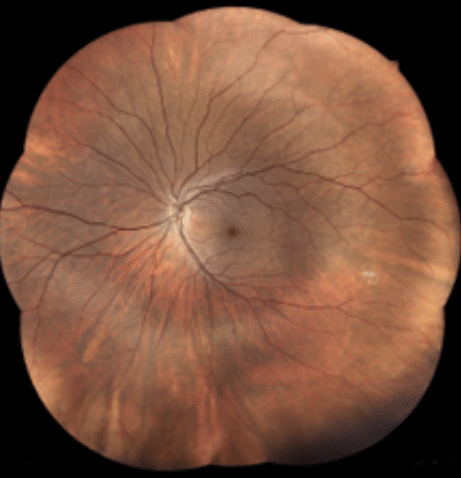
Since 2016, various technological advancements have revolutionised myopia screening methods. Innovations such as portable retina cameras and automated refraction devices have become invaluable in identifying early signs.

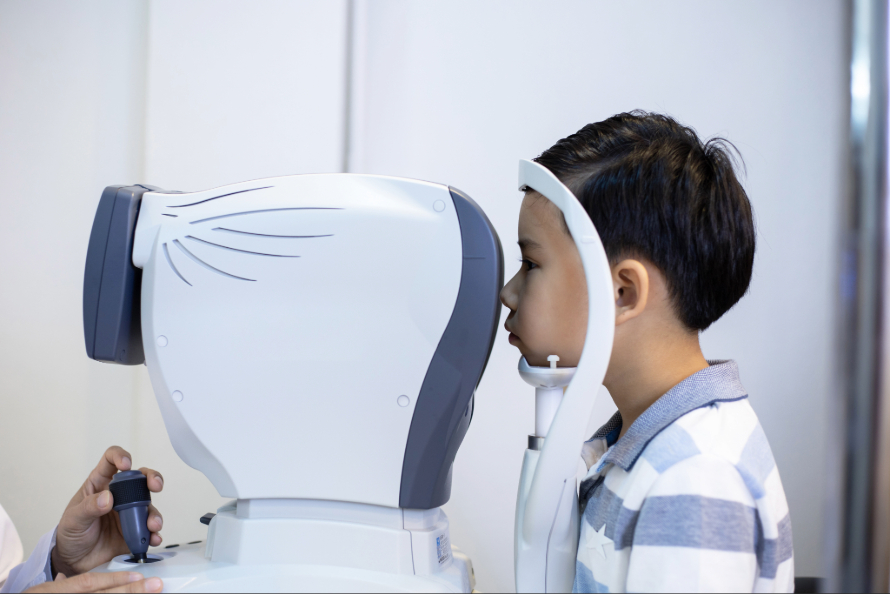
Primarily, it’s essential to visit an optometrist who can perform a comprehensive eye examination. This includes measuring the eye’s refractive error, which is vital for diagnosing myopia and determining appropriate interventions.

Moreover, schools and paediatric clinics often utilise screening programs, where non-invasive methods like visual acuity tests and retinoscopy are conducted. These screenings help identify at-risk children effectively.

Together, these strategies contribute to early detection, prompt intervention, and better vision health.

Role of Genetics in Myopia


Genetics plays a significant role in the development of myopia, especially during childhood and adolescence.

In 2016, researchers identified a number of genetic variants associated with increased susceptibility to myopia. Scientific studies reveal that children with one myopic parent have a threefold increased risk of developing the condition.

On the other hand, if both parents are myopic, a child’s likelihood of inheriting this refractive error rises to six times higher than those without myopic parents. This underscores the importance of considering family history in myopia management.

Genetics may not be the sole factor, but their influence is incontrovertible. By understanding these genetic underpinnings, optometrists and researchers can better comprehend, predict, and ultimately mitigate the impact of myopia.

Recognising the genetic component in myopia encourages parents to be vigilant and proactive in seeking early assessments for their children.

Environmental Factors

Environmental factors also contribute significantly towards the development of myopia in children. Understanding these helps in creating preventive measures.

In 2019, a study demonstrated that children who spend more time outdoors tend to have a reduced risk of developing myopia. This outdoor exposure influences the eye’s growth, thus preventing the elongation that leads to myopia.

Moreover, it is crucial to consider the impact of near-work activities such as reading and screen time. Excessive focus on close-up tasks strains the eyes, increasing the risk of myopia. Encouraging balanced visual activities is essential.

Educators and parents should promote regular breaks during study periods and encourage outdoor activities. This not only nurtures the child’s physical health but also serves as a safeguard against myopia.

By understanding these environmental influences, they can create healthier routines for children, balancing education and outdoor activity.

Impact of Digital Devices


The proliferation of digital devices has significantly influenced the prevalence of myopia in children.

In 2016, researchers conducted a comprehensive study examining the effects of digital devices on children’s eyesight and discovered a stark correlation between screen time and myopia development.

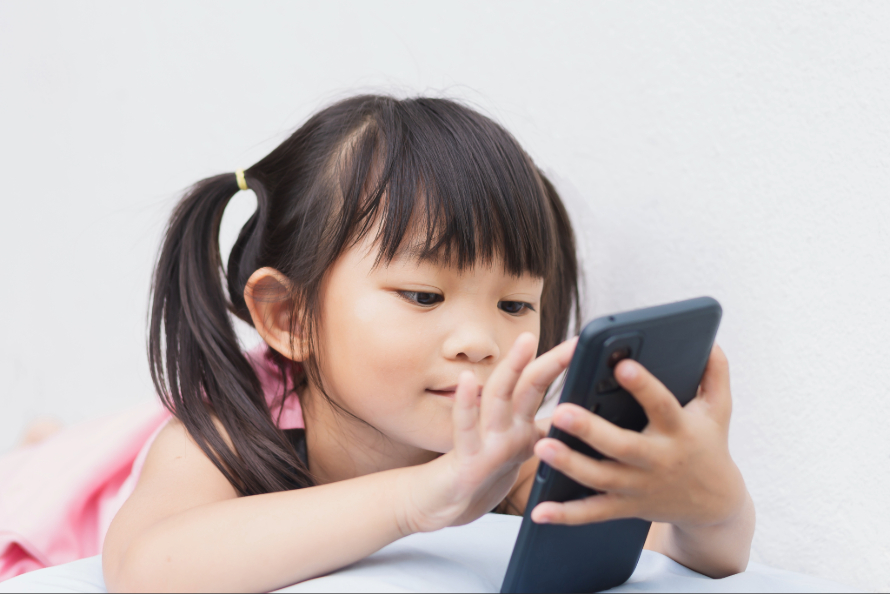
Indeed, it’s no secret that prolonged exposure to screens heightens the likelihood of myopia as the eyes are subjected to extended periods of close-focus activity, leading to visual strain and fatigue.

Additionally, the allure of the digital world means children spend less time engaging in outdoor activities, thereby missing out on the beneficial daylight exposure crucial for eye health.

To mitigate this, parents and educators must advocate for balanced screen time and endorse frequent breaks alongside encouraging outdoor play.

Eye Complications of Myopia

Myopia, if not properly managed, can lead to several serious eye complications such as pathological myopia. High myopia significantly raises the risk of retinal detachment, a condition where the retina peels away from its underlying layer, potentially leading to permanent vision loss if not treated promptly.

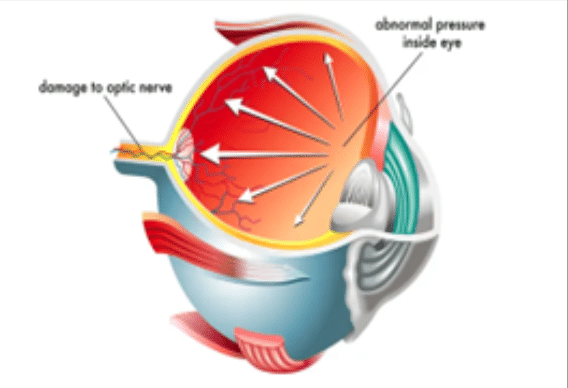
Additionally, individuals with myopia are more susceptible to developing glaucoma, a group of eye conditions that damage the optic nerve and can result in blindness.

Cataracts, characterised by clouding of the eye’s lens, are also more common in those with myopia.

These complications underscore the importance of regular eye examinations and early intervention to preserve vision and maintain eye health.

Treatment Options for Myopia


Several treatment options exist to help manage myopia in children, each tailored to different degrees and circumstances of the condition.

1. Glasses

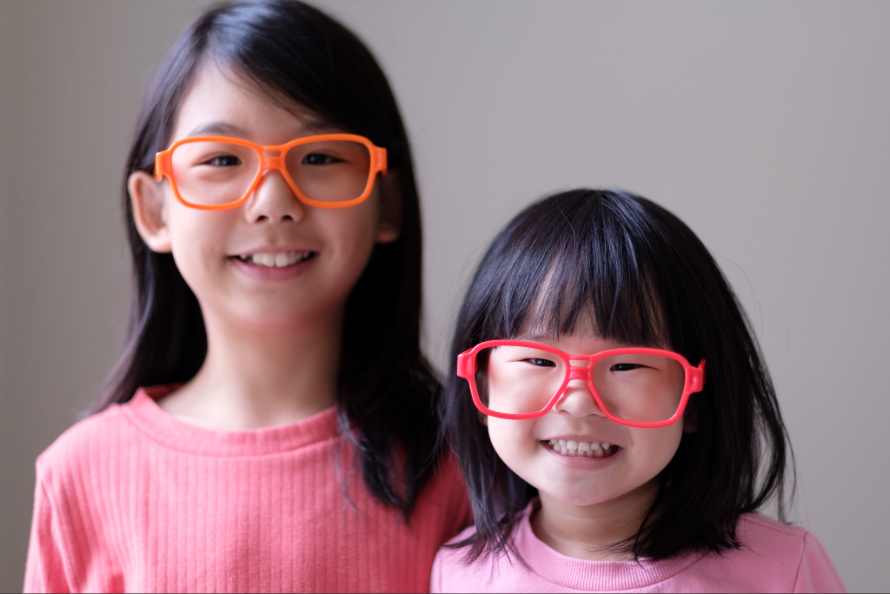
Glasses are perhaps the most conventional approach, widely endorsed by optometrists for their effectiveness and ease of use. These aids correct the refractive error such as nearsightedness, aiding children in attaining clear vision, a vital component for their academic and social activities. Regular eye examinations ensure spectacles’ prescriptions are accurately updated.

2. Contact Lenses

Contact lenses offer a practical alternative for older children who may prefer not to wear glasses. Innovative options like orthokeratology lenses reshape the cornea overnight, providing clear vision throughout the day. These lenses, however, require meticulous care and professional guidance to prevent complications.

3. Multifocal Lenses

Another promising treatment is the use of multifocal contact lenses, which help to control the progression of nearsightedness by providing different lens powers for different viewing distances.

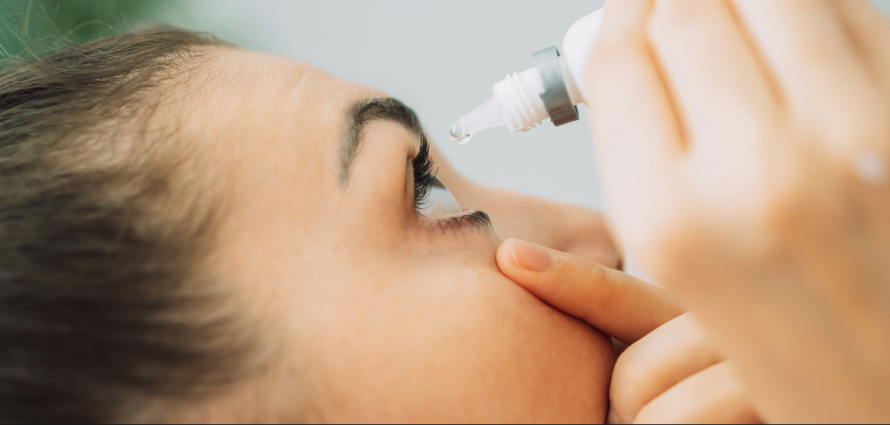
4. Atropine Drops

Pharmacological interventions, such as low-dose atropine drops, have shown promising results in slowing the progression of myopia in children. Administered under strict medical supervision, these treatments offer an additional layer of proactive care, highlighting the importance of early and continuous engagement with eye care professionals.

Corrective Lenses for Children

Corrective lenses address nearsightedness effectively.

Spectacles remain an essential tool for many children, especially those dealing with nearsightedness. They provide an immediate solution to myopia, enabling youngsters to engage fully in their educational and recreational activities. Moreover, parents can take comfort in knowing that spectacles can be easily adjusted or changed as a child’s prescription evolves.

Older children might prefer contact lenses.

These lenses afford freedom from frames, which can boost confidence. Not only do they provide clear vision, but advanced options like orthokeratology offer innovative management.

Parents should consult with an optometrist or Ophthalmologist to explore the best choices. Together, they can develop a tailored approach to managing their child’s myopia, ensuring that the child receives the full benefits of any prescribed corrective lenses. The goal is to support academic success and enhance quality of life.

Orthokeratology for Myopia

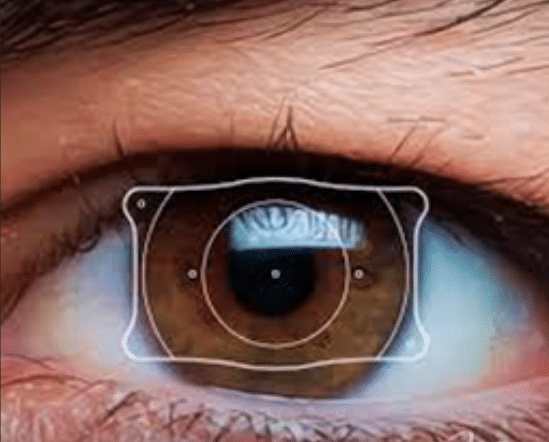
Orthokeratology, a non-surgical treatment option, offers substantial promise for managing myopia, especially in children. This method involves specially designed rigid contact lenses.

Worn overnight, these lenses temporarily reshape the cornea. Consequently, the wearer enjoys clear vision during the day without the need for glasses or daily lenses.

For growing children, this can mean freedom and confidence. Orthokeratology lenses (commonly known as ortho-k lenses) are tailored for each patient.

Parents might find ortho-k appealing as it can help slow myopia progression. The lenses flatten the cornea overnight, reducing the eye’s elongation.

Children benefit immensely from stabilised vision and reduced dependence on corrective eyewear. Regular check-ups ensure that the ortho-k lenses continue to fit well and function effectively, adjusting as required.

Ultimately, the impact on a child’s quality of life can be profound. Orthokeratology offers a dynamic and effective approach to managing myopia, fostering long-term eye health and vibrant living.
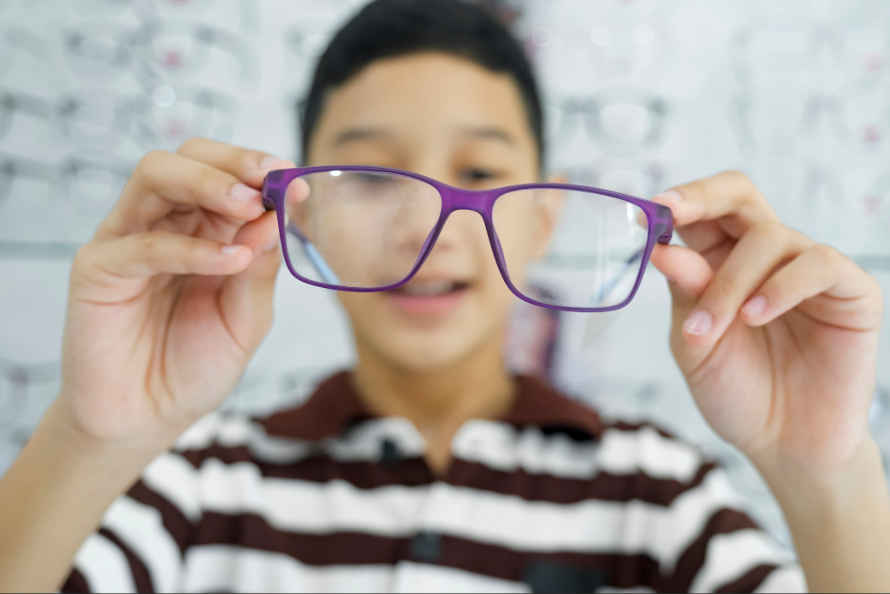
Atropine Eye Drops

1. Response Rate

Atropine eye drops have shown a promising response rate in slowing the progression of myopia in children. Studies indicate that low-dose atropine, typically at concentrations of 0.01%, can reduce the rate of myopia progression by approximately 50-60%. This treatment is well-tolerated by most children, with minimal side effects such as light sensitivity and difficulty focusing on near objects.

The effectiveness of atropine eye drops makes them a valuable option in managing myopia, helping to preserve vision and reduce the risk of associated complications. Regular follow-ups with an eye care professional are essential to monitor the child’s response to treatment and make any necessary adjustments.

2. Side Effects

While atropine eye drops are effective in slowing the progression of myopia, they can cause some side effects. Common side effects include light sensitivity (photophobia) and difficulty focusing on near objects (accommodative dysfunction). These effects are typically mild and can be managed by using sunglasses outdoors and reading glasses for close-up tasks.

In rare cases, children may experience allergic reactions, characterised by redness, itching, or swelling of the eyes. It is important to monitor for any adverse reactions and consult an eye care professional if any concerns arise. Despite these potential side effects, the benefits of atropine eye drops in controlling myopia progression often outweigh the risks, making them a valuable treatment option for many children.

Potential Benefits of Eye Exercises

Regular eye exercises are acclaimed for their potential to alleviate strain and strengthen ocular muscles. They offer a non-invasive method.

Eye exercises can be seamlessly incorporated into daily routines. Various programmes are tailored to different needs.

Tackling visual discomfort can significantly improve a child’s academic and social experiences. Eye exercises promote a holistic approach to maintaining robust vision health.

Adopting these exercises may foster a sense of responsibility in children, encouraging them to be proactive about their eye health. Though it is essential to consult a specialist before beginning any regimen, these practices could complement existing treatments and contribute to long-term visual well-being. Eye exercises, therefore, present a promising avenue worth exploring.

Combat Myopia Naturally: Lifestyle Changes

Incorporating lifestyle changes helps manage myopia.

1. Outdoor Activity

One notable measure involves ensuring kids spend time outdoors. Research has demonstrated that exposure to natural light significantly reduces the likelihood of myopia progression in young eyes. Furthermore, adopting the habit of taking breaks during prolonged near tasks, such as reading or using digital devices, can immensely benefit their ocular health.

2. Good Lighting

Strategically placed lighting can also be quite pivotal. Enhanced indoor lighting during study sessions reduces eye strain and can mitigate the progression of myopia. Moreover, educating children about maintaining an adequate distance from screens and books is crucial, ensuring their visual comfort and health.

3. Dietary Choices

Healthy lifestyle by promoting a balanced diet rich in nutrients that support eye health, such as vitamins A, C, and E, and omega-3 fatty acids.

Implementing such lifestyle changes not only aids in controlling myopia but also fosters a balanced lifestyle. Parents and educators must stay informed about the latest approaches to managing eye health in 2023, remaining vigilant and proactive. By each small adjustment, the vision of countless young individuals can be preserved and enriched, leading to a brighter, clearer future.

Advances in Myopia Research


Researchers are making significant strides in myopia research

Recent studies have shed light on the genetic factors. This revelation has paved the way for targeted approaches to treatment, allowing for more personalised healthcare solutions. Furthermore, advancements in optical technologies, such as specialised contact lenses, have shown promise in slowing the progression of myopia in children.

Prevention strategies are also gaining traction.

These include innovative techniques like atropine eye drops, which have proven effective in clinical trials. Institutions are collaboratively working to enhance these methods and expand their accessibility.

By incorporating the latest innovations, the future of myopia management looks brighter than ever. Enhanced collaboration among scientists, healthcare professionals, and technology developers continues to drive the field forward, ensuring that children everywhere receive the best possible eye care solutions. The horizon of myopia research remains full of potential and promise.

Note icon
The symptoms and possible related eye conditions/diseases in this section are for general reference only, and do not contain all visual symptoms or all possible related conditions or diseases. If you have any unusual vision symptoms, speak with your ophthalmologist.

At Hesed Eye Specialists, we are dedicated to not just restoring, but truly enhancing your vision.

Trust in our expertise and commitment to excellence as we accompany you on your journey towards clearer, brighter, and healthier eyes. Experience the profound difference that an eye clinic with unparalleled technology and compassion can make in your life and vision. 

Book An Appointment
Make An Appointment

Free Shuttle Services

There are free shuttle services available on Monday to Friday from 8.30am to 5.10pm and Saturday from 8.30am to 1pm.*

* These services are not available on Sundays and public holidays. Please note that pick-up and drop-off are at the designated stops only and the schedule is subject to change due to traffic conditions and other factors without prior notice.

Mondays to Fridays (Excluding Public Holidays):

Gleneagles Hospital - Mount Elizabeth Hospital - The Heeren

Gleneagles Hospital
Mount Elizabeth Hospital
The Heeren
8.30 am
8.30 am
8.30 am
8.30 am
8.30 am
8.30 am
8.32 am
8.32 am
8.32 am
8.30 am
8.32 am
8.32 am

Saturdays (Excluding Public Holidays):

Gleneagles Hospital - Mount Elizabeth Hospital - The Heeren - Mount Elizabeth Novena

Gleneagles Hospital
Mount Elizabeth Hospital
The Heeren
Mount Elizabeth Novena Hospital
8.30 am
8.30 am
8.30 am
8.32 am
8.30 am
8.30 am
8.30 am
8.30 am
8.32 am
8.32 am
8.32 am
8.32 am
8.32 am
8.32 am
8.32 am
8.30 am

For faster response, please Whatsapp us